
Community-based Global Learning
Learning in, with, and from communities.
Community-based global learning is a core pillar of NYU Abu Dhabi's liberal arts mission. Over 300 NYUAD courses have specially designed fieldwork that allows students to engage directly with organizations, communities, and professionals in the UAE and more than 25 countries.
Faculty encourage students to approach these encounters with the same intellectual rigor as any lecture or assigned reading. From boardroom meetings in Dubai International Financial Center (DIFC) to the shores of Belize, each experience functions as a primary academic text: to be observed, analyzed, and brought into critical dialogue with the course. Students learn not simply by observing communities, but by listening, participating, and understanding issues in their local context.


Meditating in Thailand

Archaeological Dig in Abu Dhabi
Building Responsible Citizens
Across four years, Community-based Global Learning builds something that cannot be taught from a textbook alone: the capacity to act with ethical intelligence as a responsible citizen and leader in their communities. In an age of artificial intelligence, these carefully curated, context-based experiences are what make an NYU Abu Dhabi education distinctive.
Community-based global learning is practiced across disciplines throughout the academic year, bringing community partners into the classroom as co-educators and taking students into the field as researchers.
Field Visits in the UAE
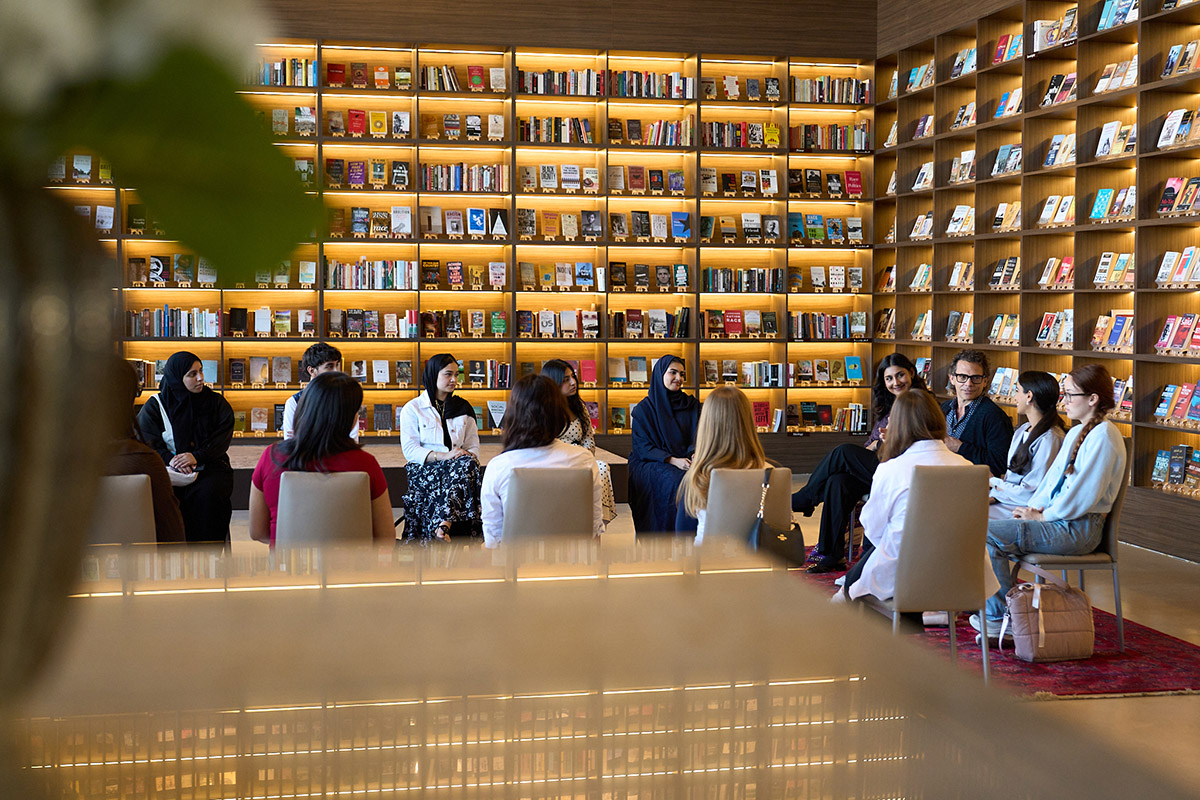
Empathy
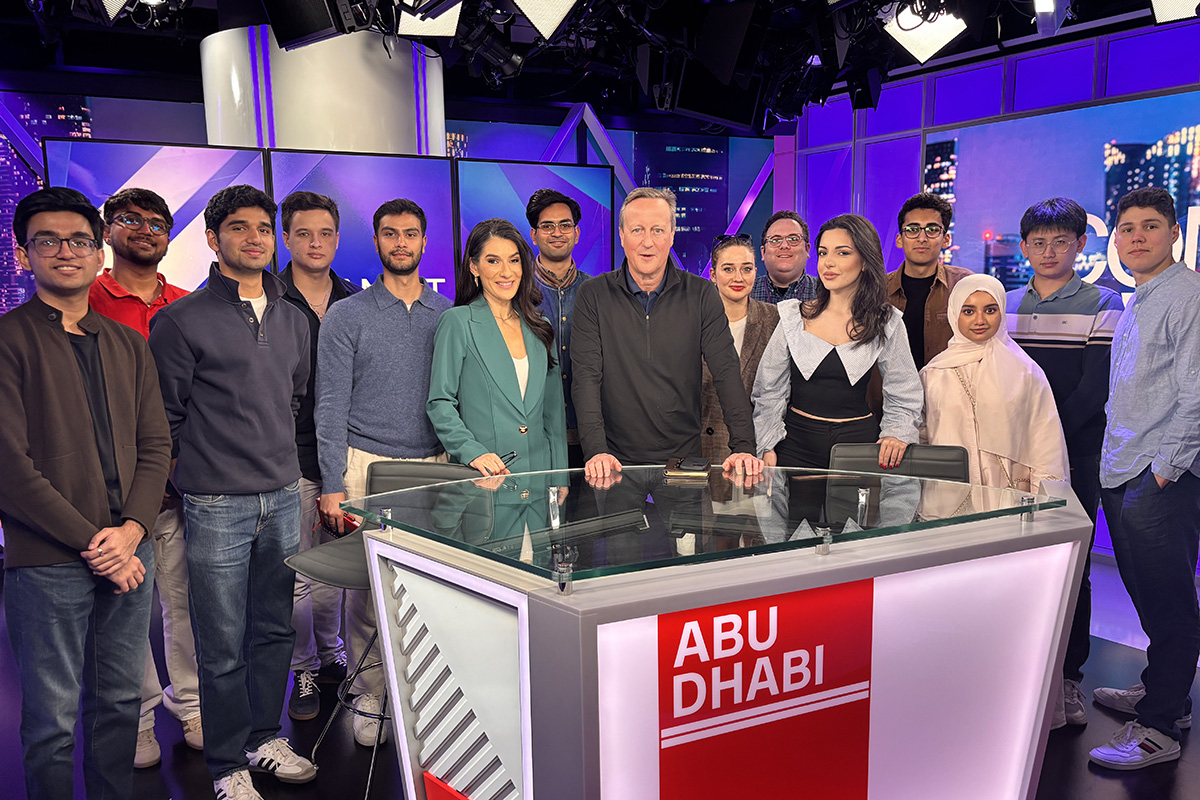
Practising Politics and Government in the Age of Disruption
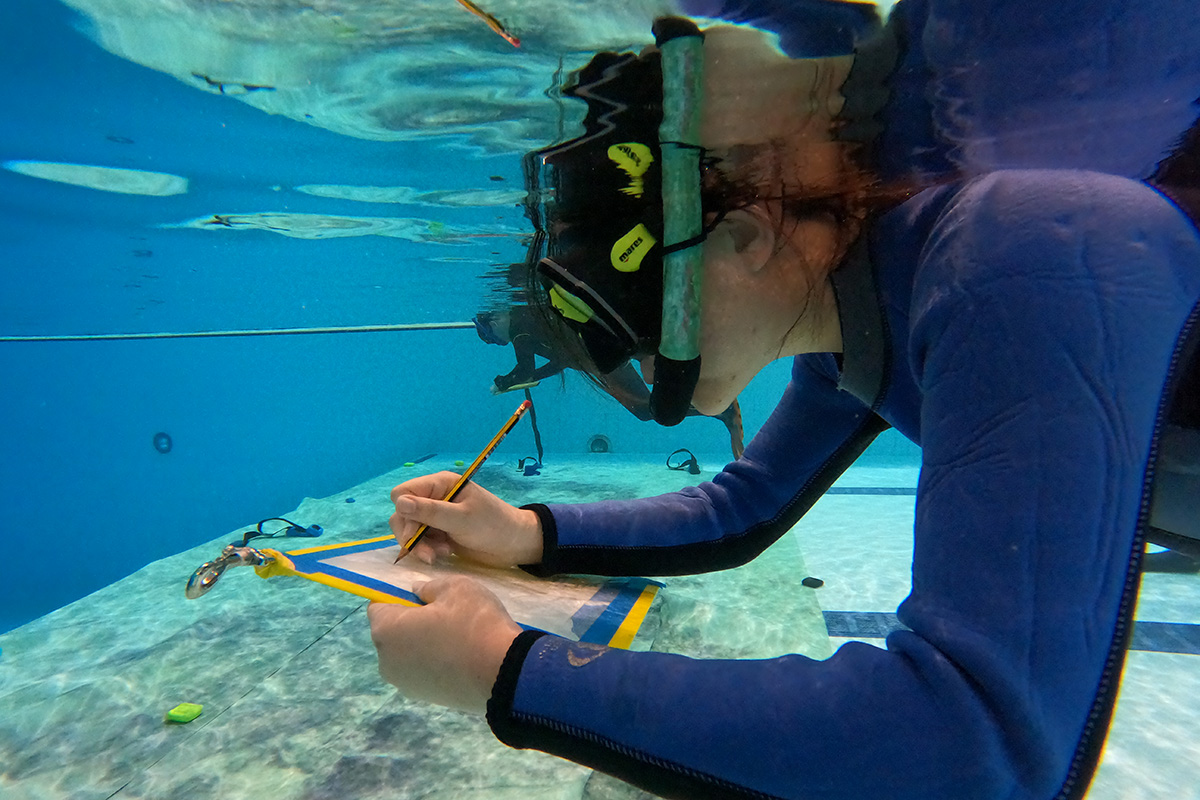
Maritimity and Global Societies
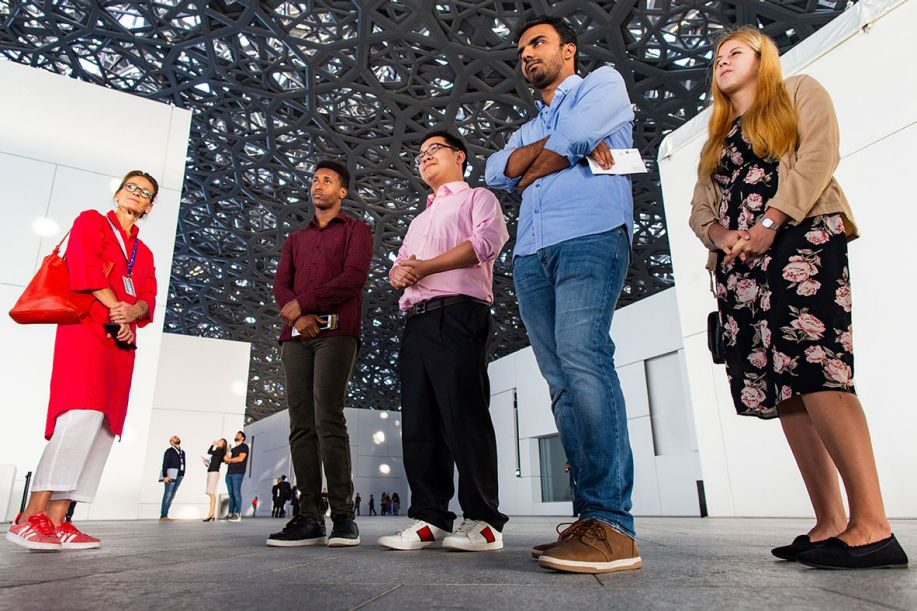
Louvre Abu Dhabi
Local Partners
NYU Abu Dhabi approaches its partnerships with local communities and organizations as relationships of mutual exchange. The University brings its academic knowledge and resources to every engagement and is equally committed to learning from the expertise and lived insight of the communities it works with.
Over the last decade, NYUAD students have engaged with over 200 local organizations from cultural institutions and research labs to humanitarian agencies and grassroots initiatives. These partnerships ground their learning in relationships, responsibility, and social impact.
