A Truly Global Experience
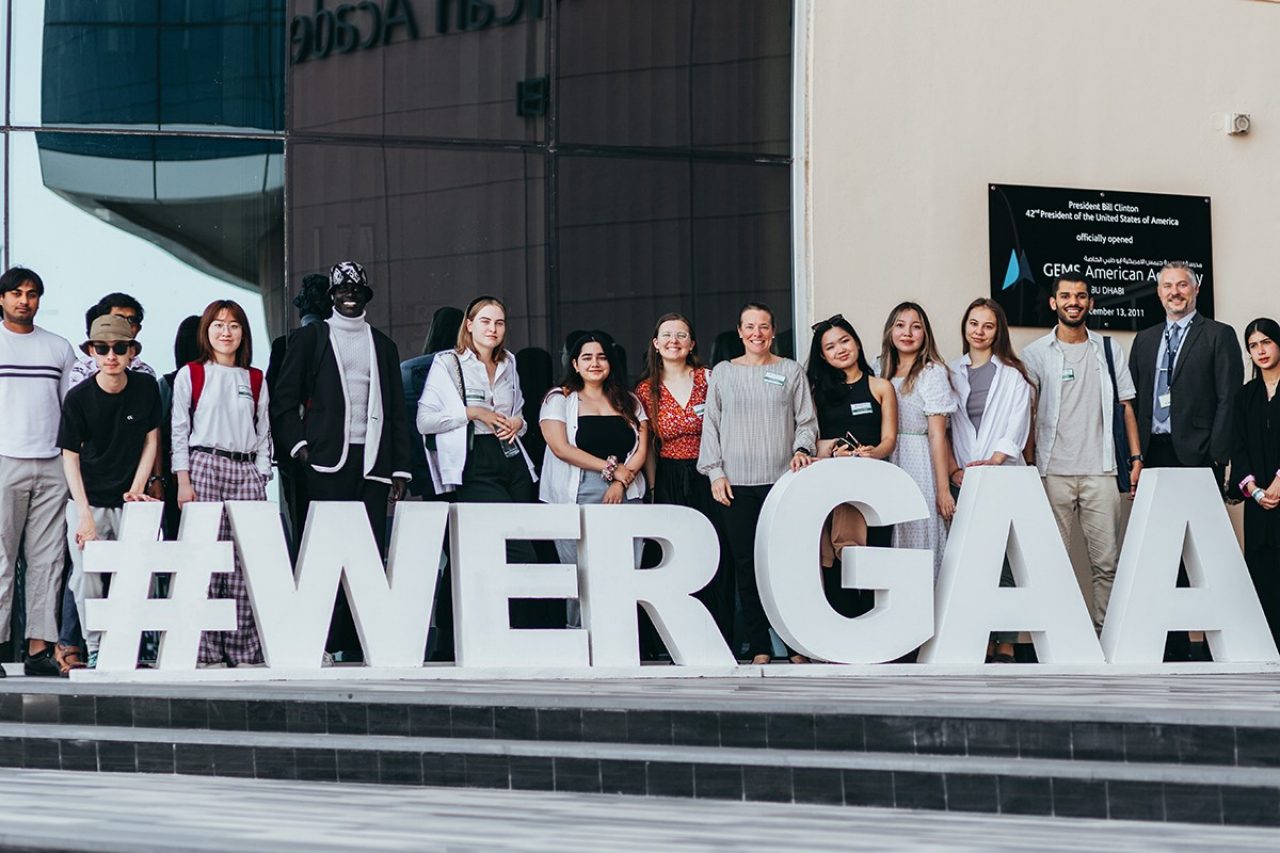
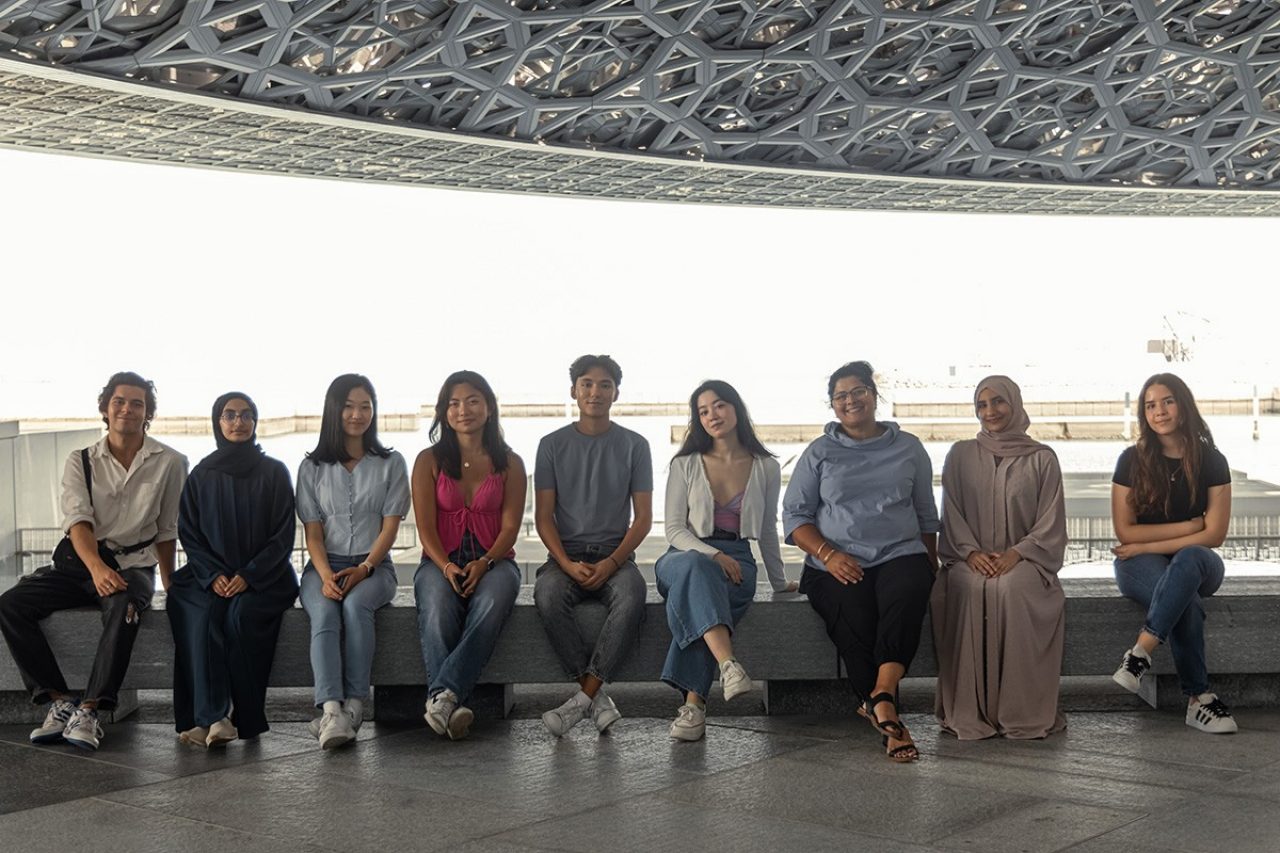
Every NYUAD student takes one J-Term course abroad.
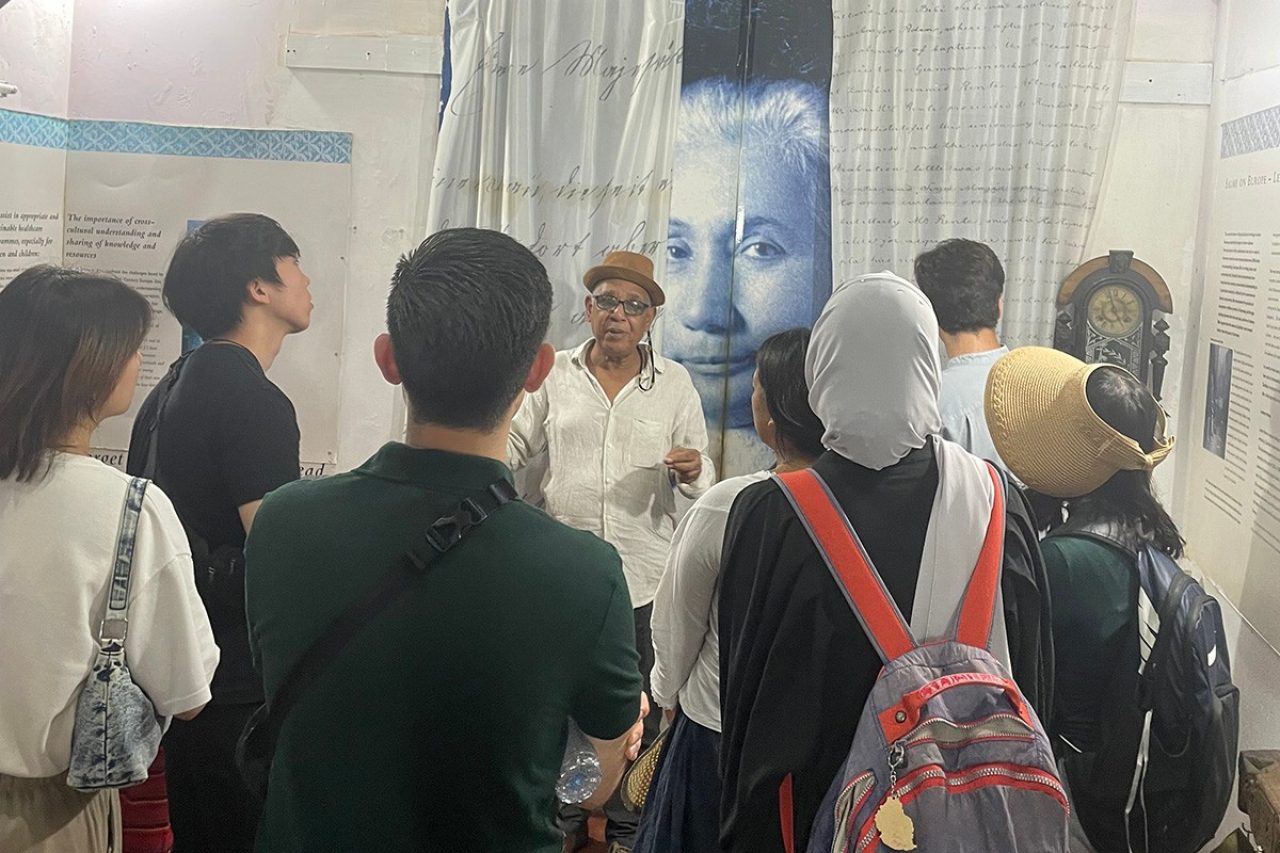
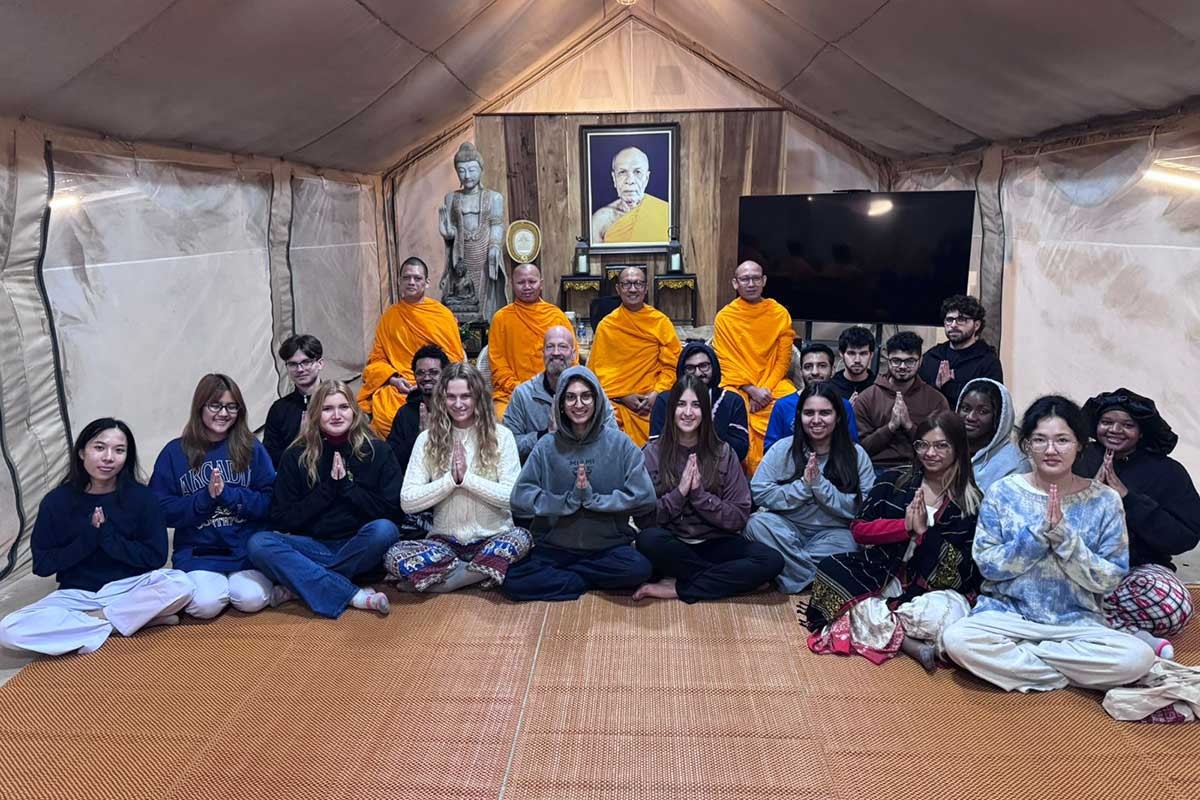
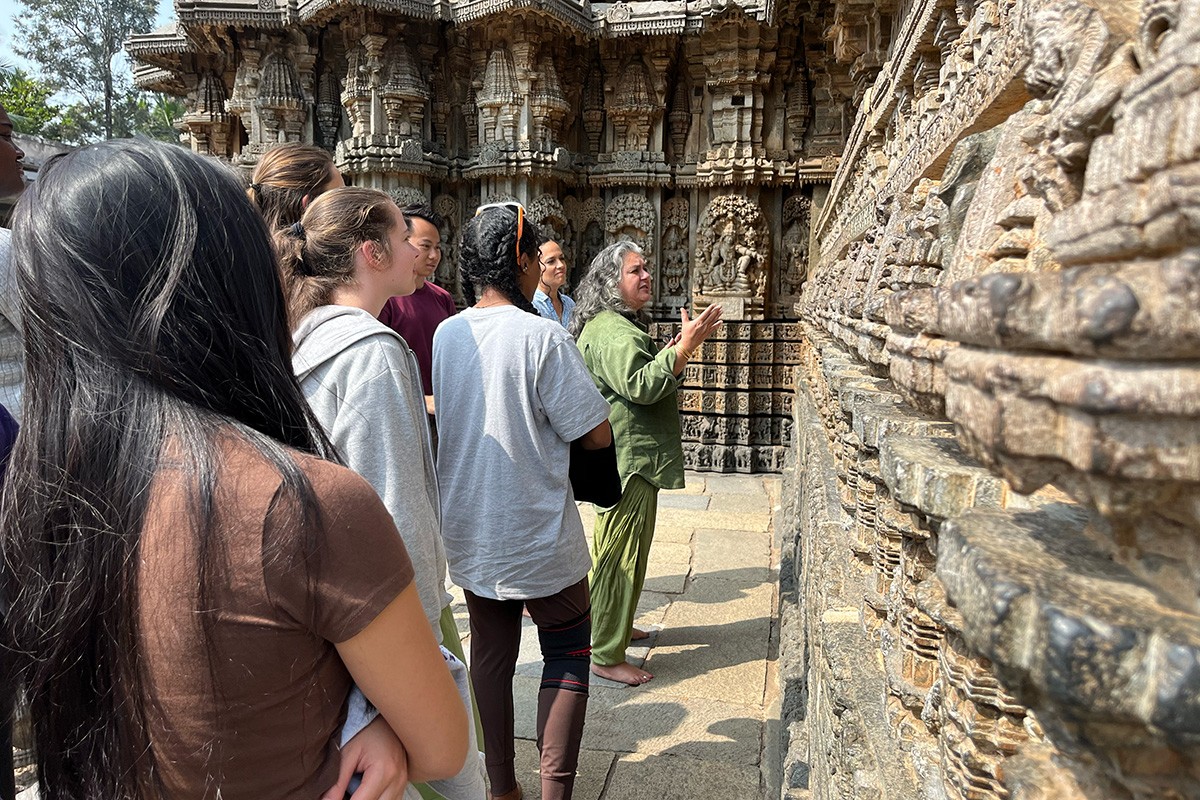
NYUAD’s J-Term courses are designed as two-week, intensive, and highly immersive learning experiences during January. They intensify student focus, offer site-specific fieldwork, and engage students deeply with the people and the places where they study.
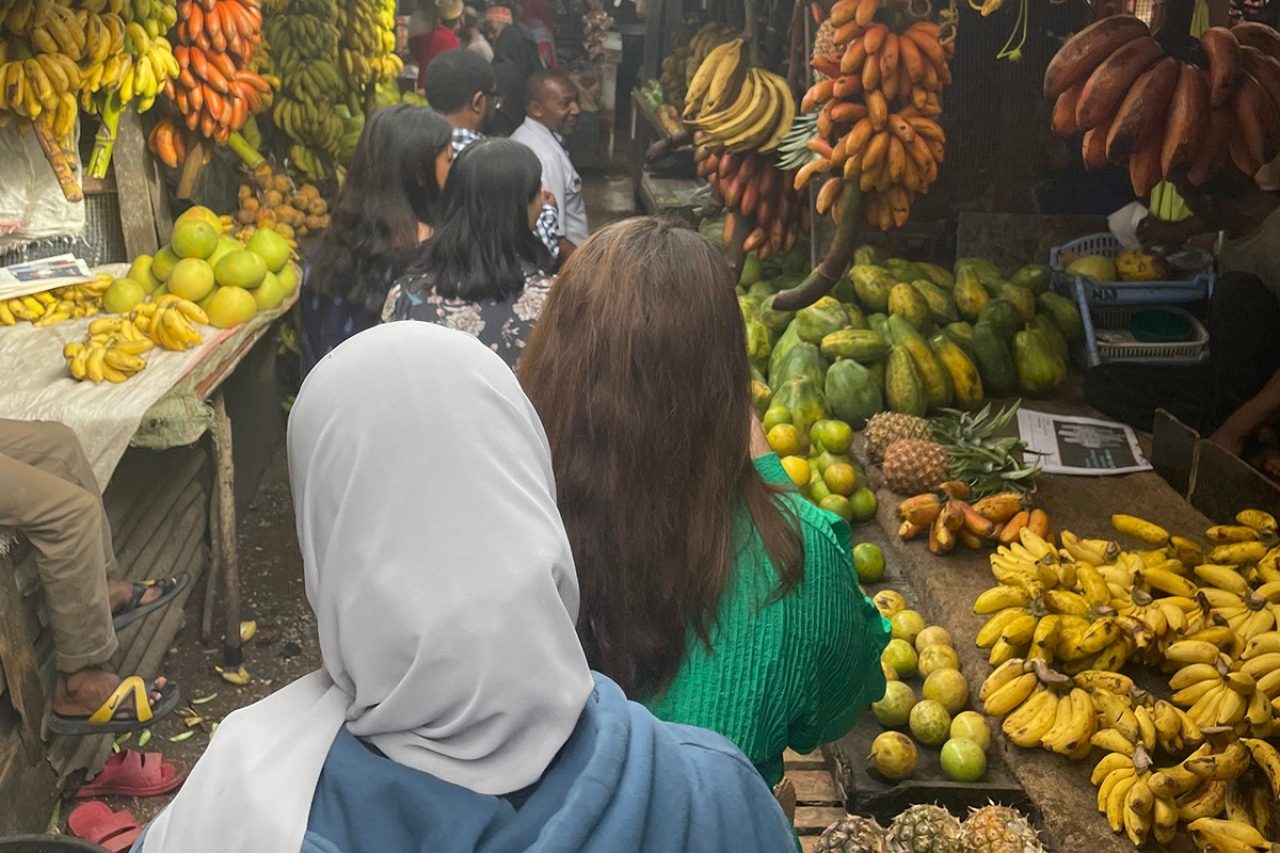
Students focus exclusively on one subject while learning directly from the people, communities, environments, and institutions around them in over 25 countries. By immersing themselves in a place and a central question that location can uniquely help answer, they discover connections that are difficult to make from a distance.
The result can transform how students understand a subject, the world around it, and ultimately themselves.
All J-Term courses count in the NYUAD undergraduate curriculum within the Core Program as “J-Term Core Field Colloquia.” Students must take two J-Term Core Field Colloquia over four years, one course in Abu Dhabi and one course abroad.
Each J-Term course centers on a significant, hard-to-answer, timely, and timeless question that the faculty and students explore together through multiple disciplinary and cultural lenses.
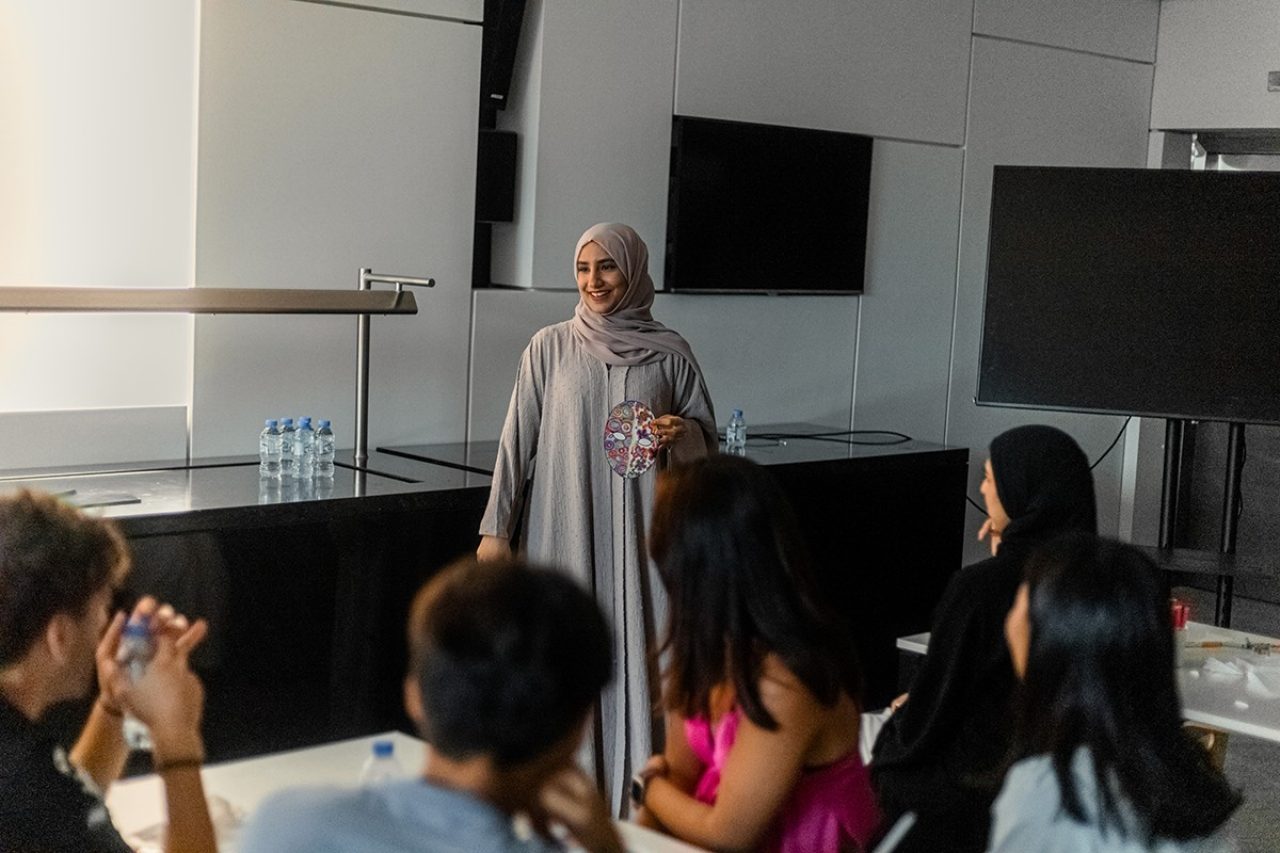
What can national dress reveal about identity, belonging, and power?
Khulood Alawadi, "Dressing the Nation," held in Abu Dhabi
How can arts and culture drive transformation and healing in post-conflict societies?
Phloeun Prim, "Arts for Transformation," held in Cambodia
How and why does childhood unfold so differently across societies?
Luca Pesando, "Unequal Childhoods," held in Florence
Every NYUAD student takes one J-Term course abroad.
J-Term courses abroad are fully funded for all students and will not affect a student's financial aid.
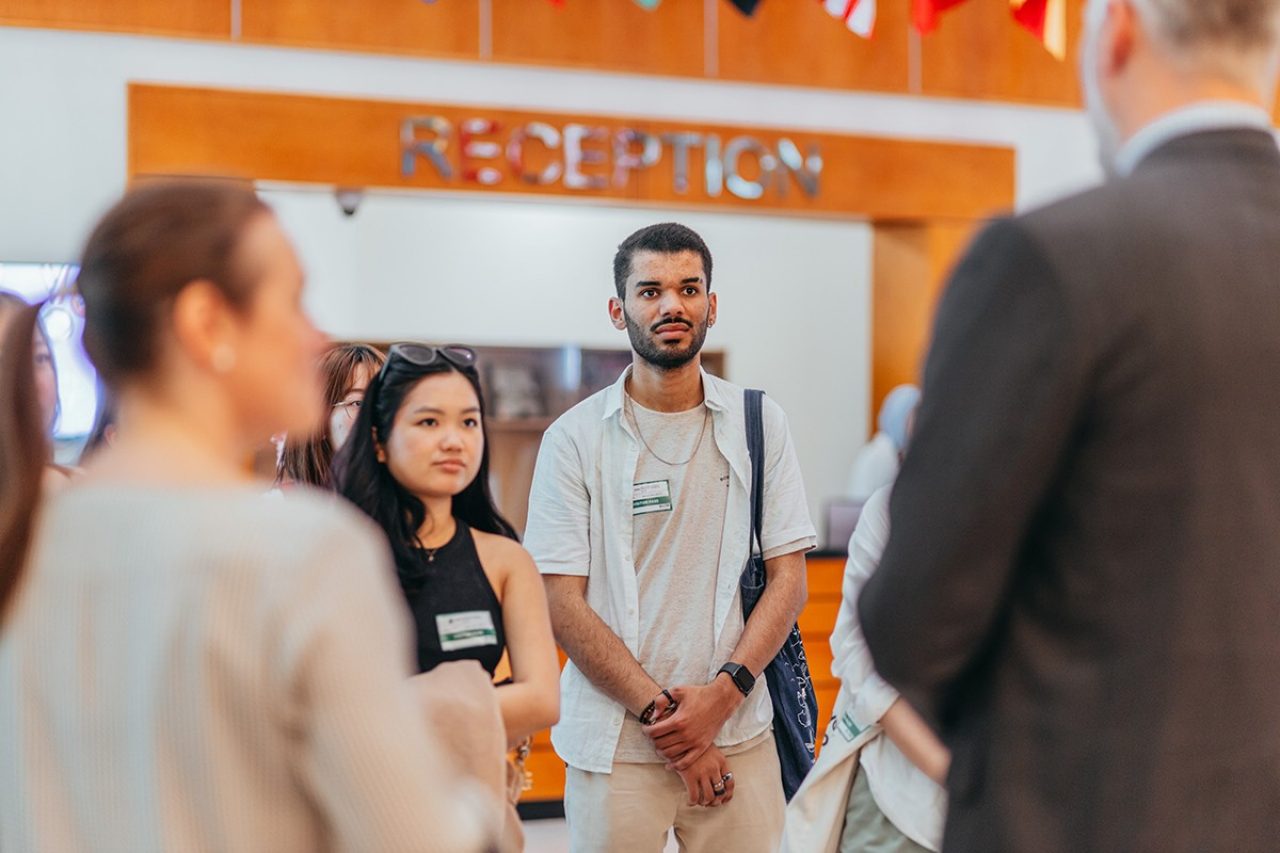
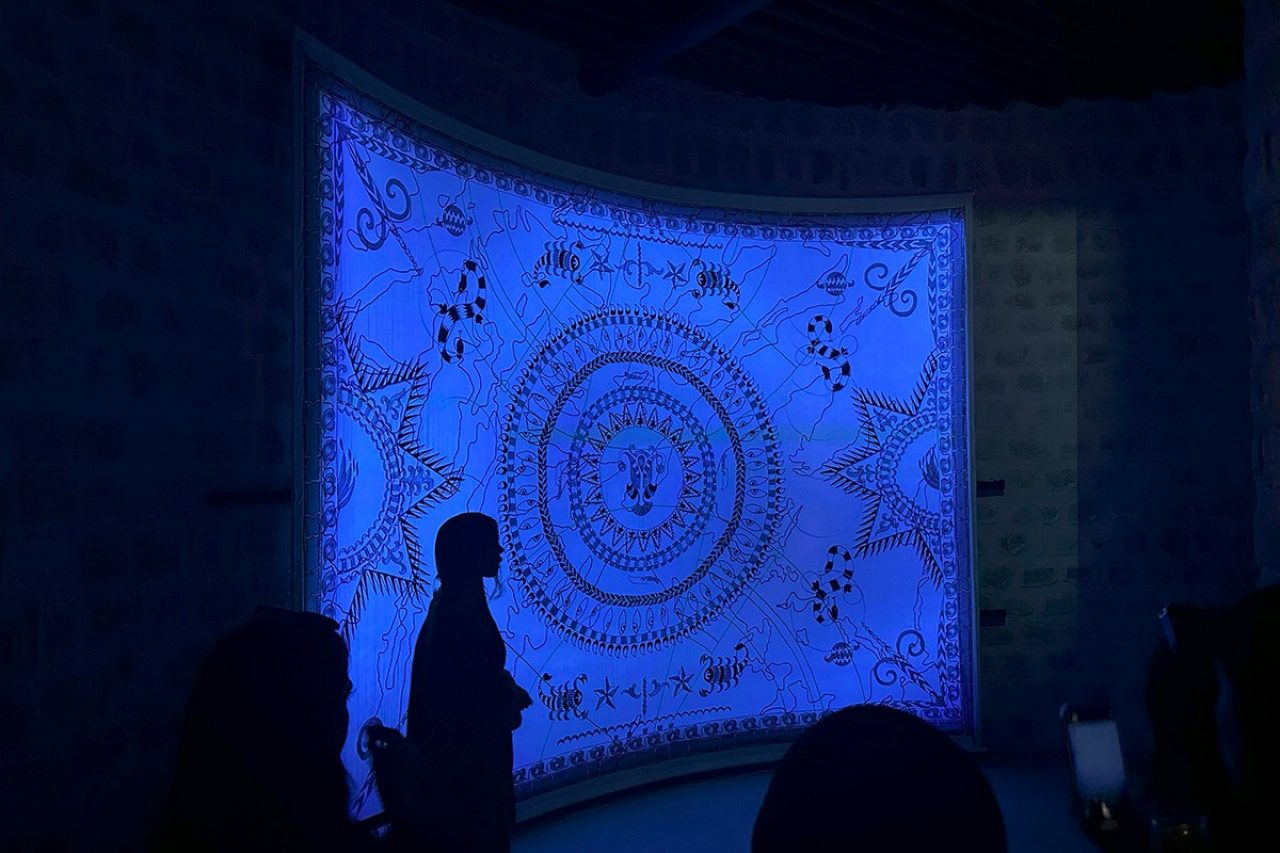
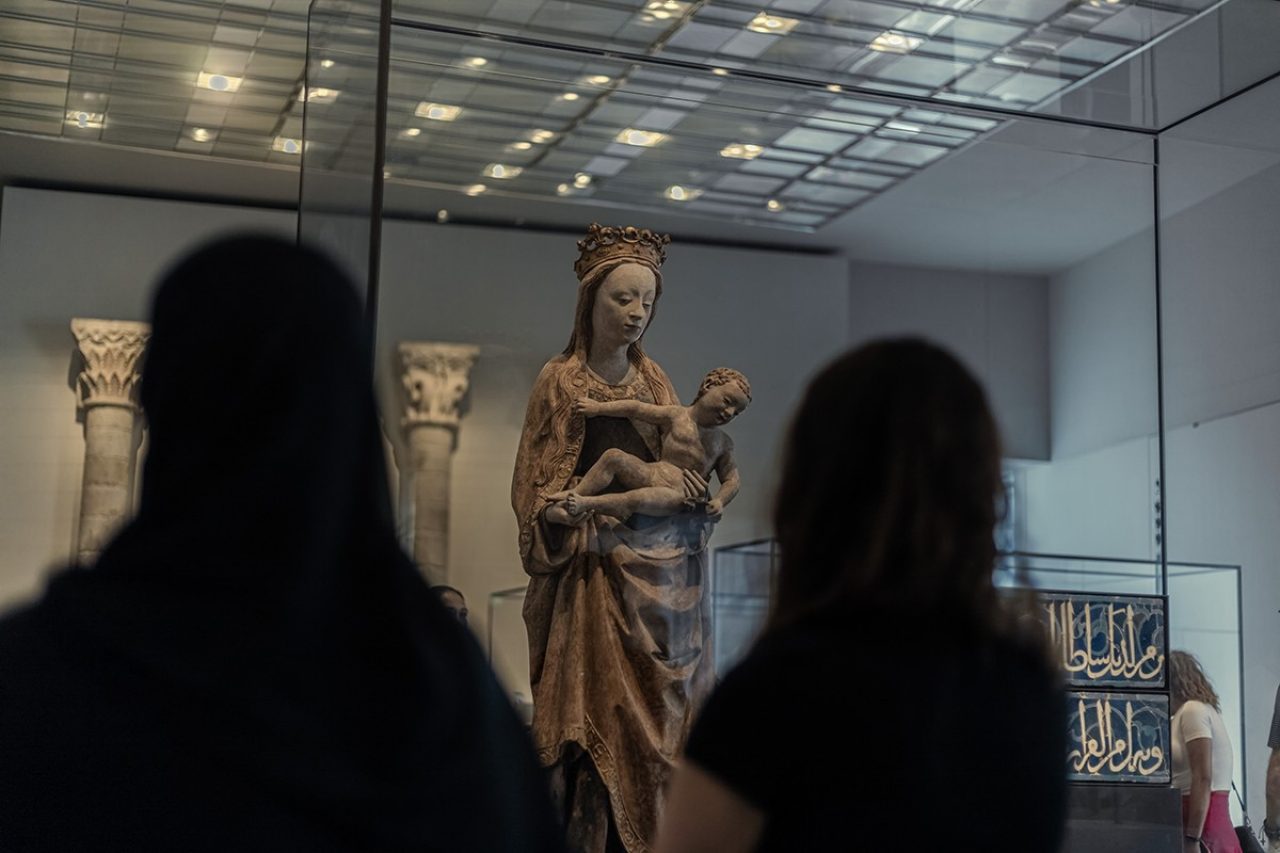
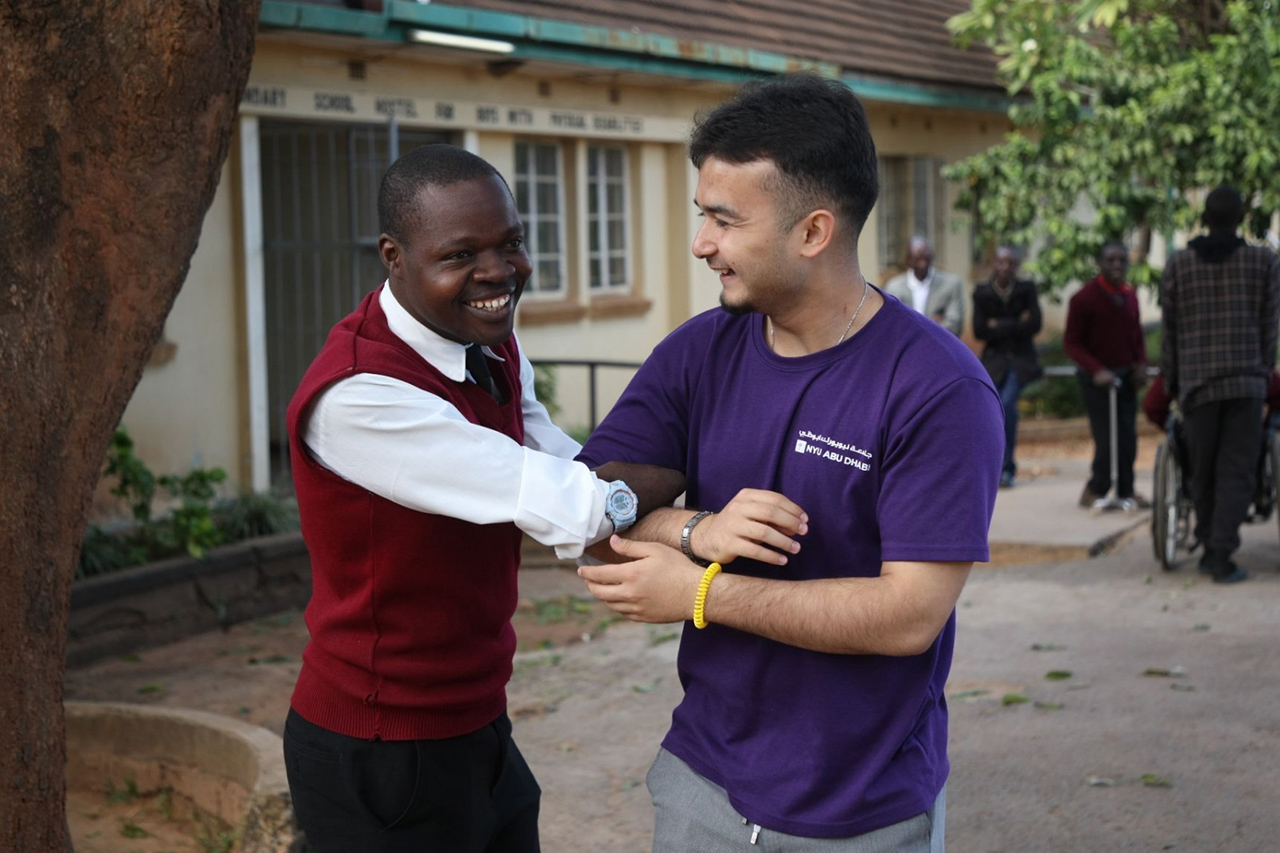
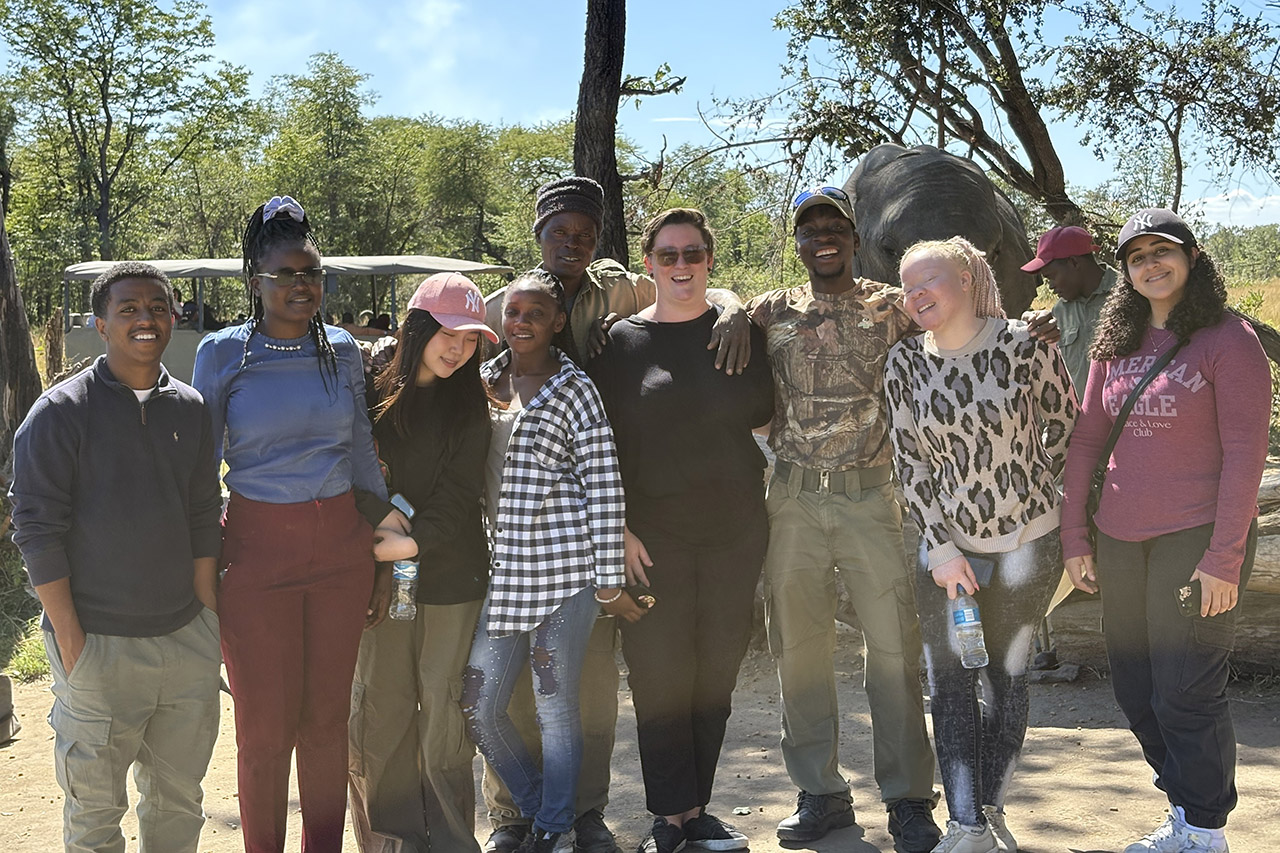
J-Term courses invite students to look up from their books to engage directly with the cities, people, and questions their classes explore.
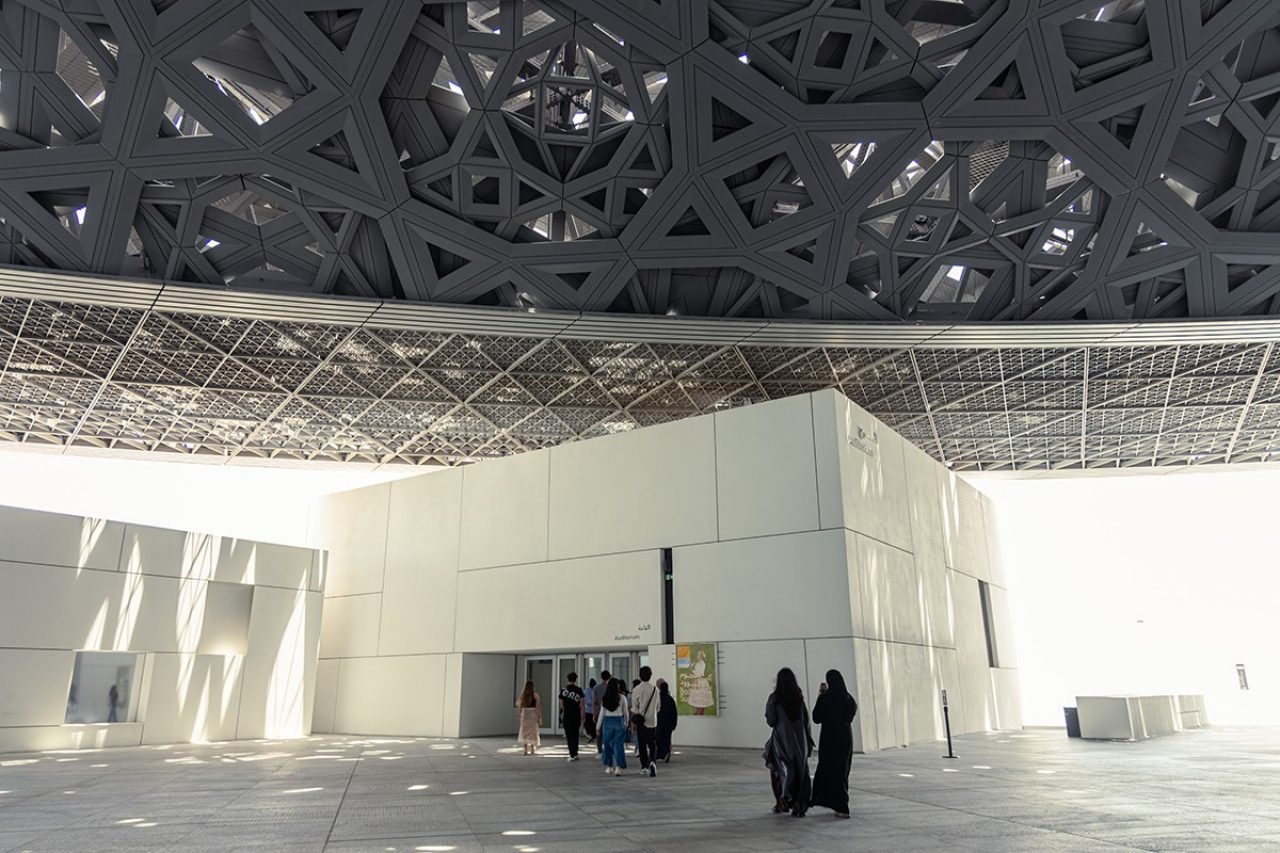
Courses taught in Abu Dhabi use the UAE as a “real-world text.” Courses taught abroad are based in NYU’s distinctive Global Network of program sites, or fully taught in countries outside of the Global Network — such as Bangladesh, Cambodia, Greece, India, Jordan, Kenya, Morocco, Nepal, Rwanda, and South Africa.
A J-Term course on color, chemistry, and creativity transformed the way Aashma Varma sees art.
NYU Abu Dhabi’s J-Term blends local insight with global learning, as students work with faculty and world leaders, including a Nobel laureate.
J-Term courses bridged technology, sustainability, and inclusivity across the globe.
With 70 courses offered, students were exposed to a range of global topics with field trips to get into the heart of the matter.
My passion for education and instructional game design was sparked during my introduction to the Interactive Media (IM) program and the MakerSpace.
As J-term students return from across the globe, they bring back with them lessons that are uniquely an NYUAD experience inspired by the very core of
Courses are taught by scholars, writers, artists, journalists, and policy analysts, who teach only during the J-Term, as well as distinguished professors from NYUAD, NYU New York, and other leading universities.
Although the J-Term is short, the intensity of shared experience between professors and students tends to foster an unusually strong bond that lasts long after J-Term ends.
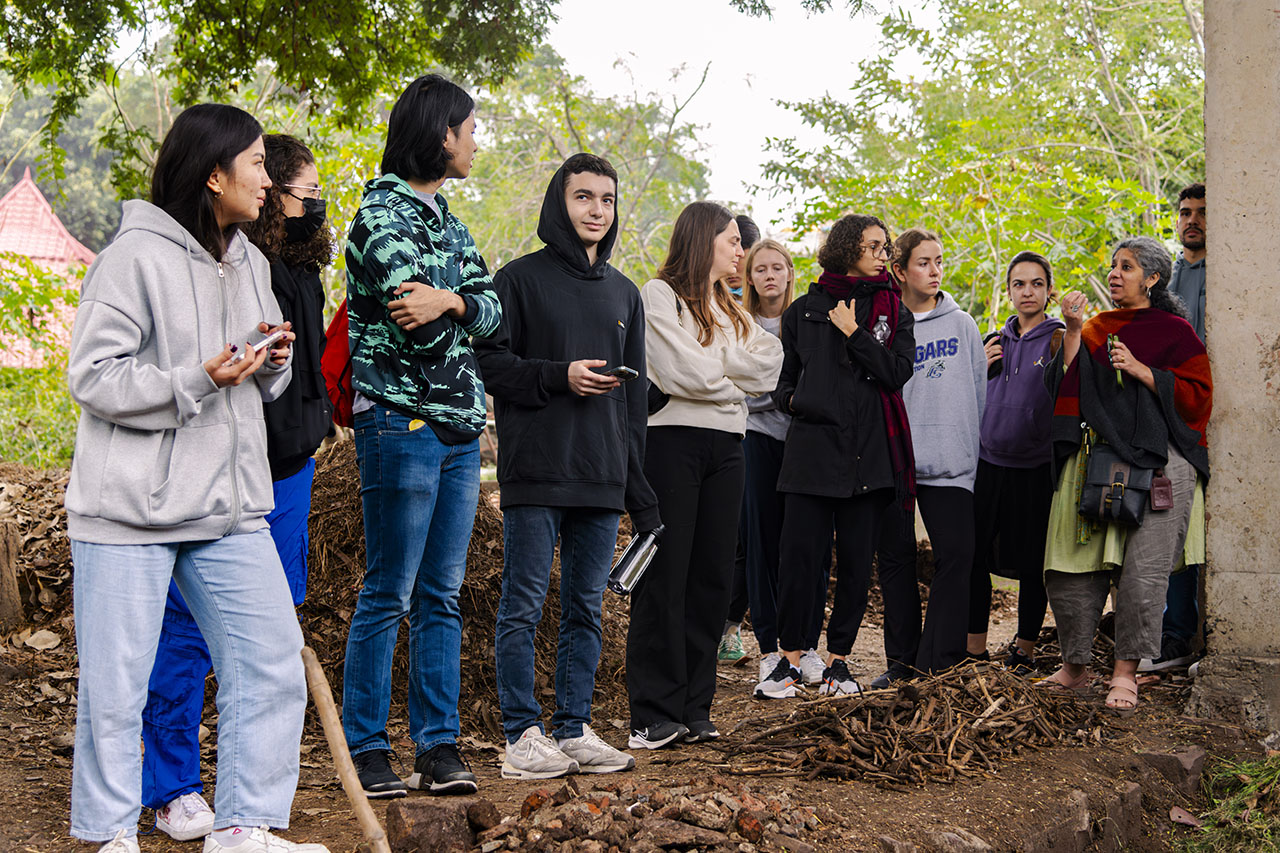
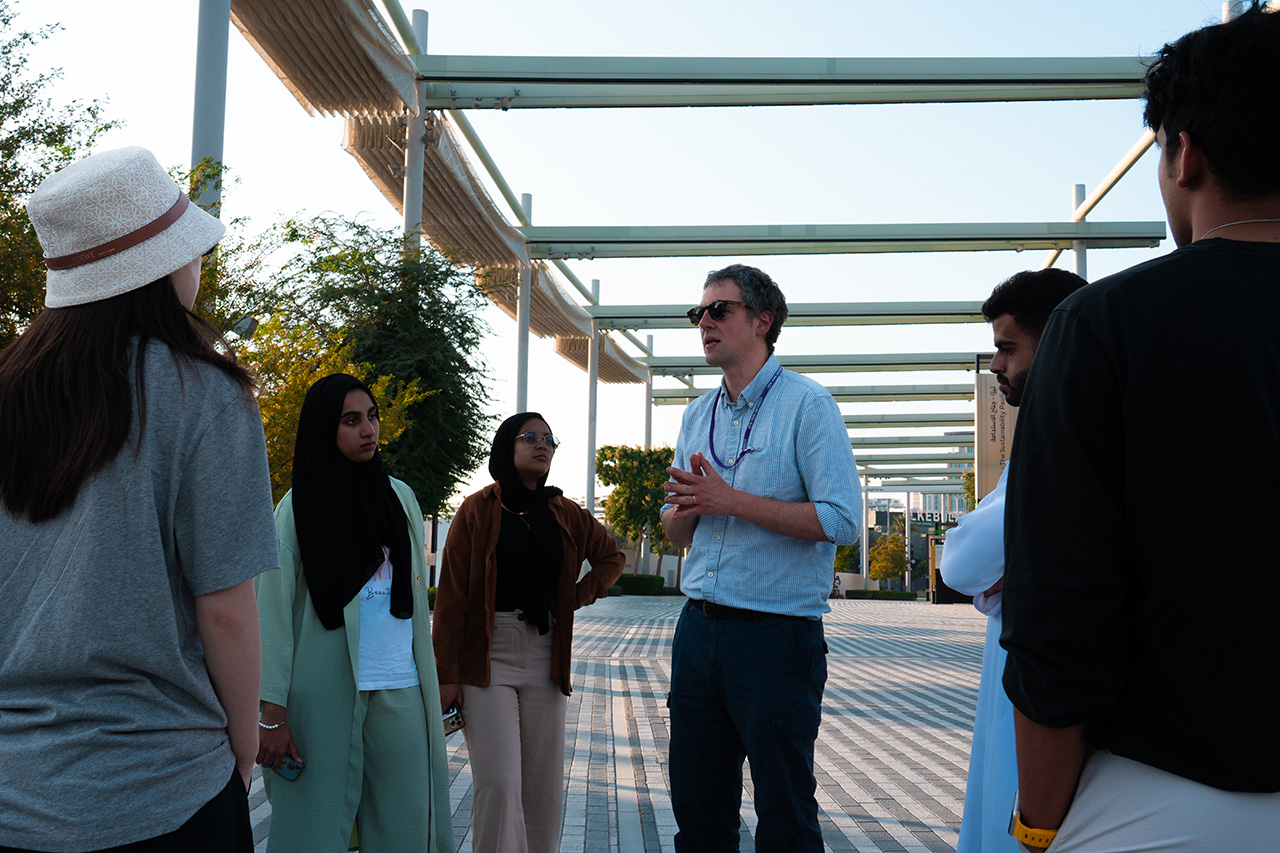
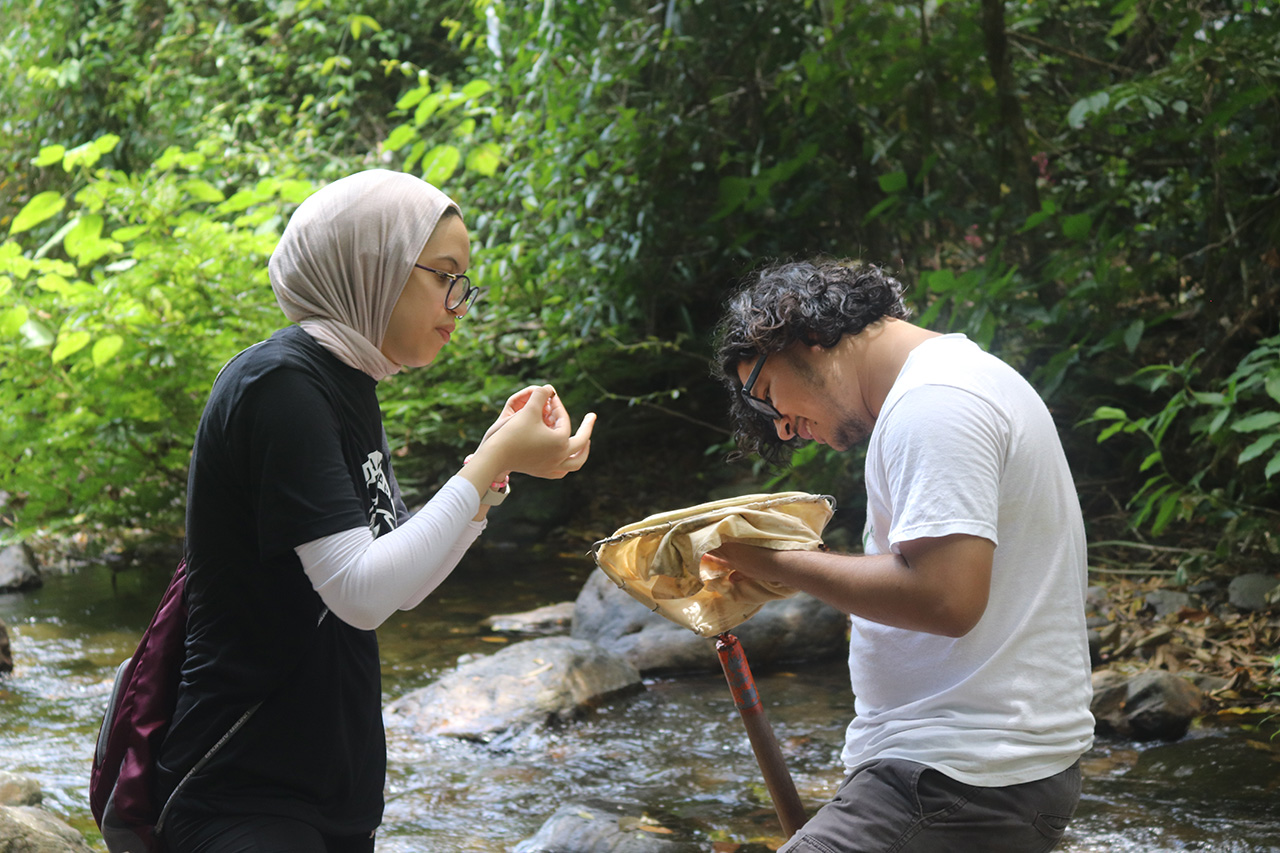
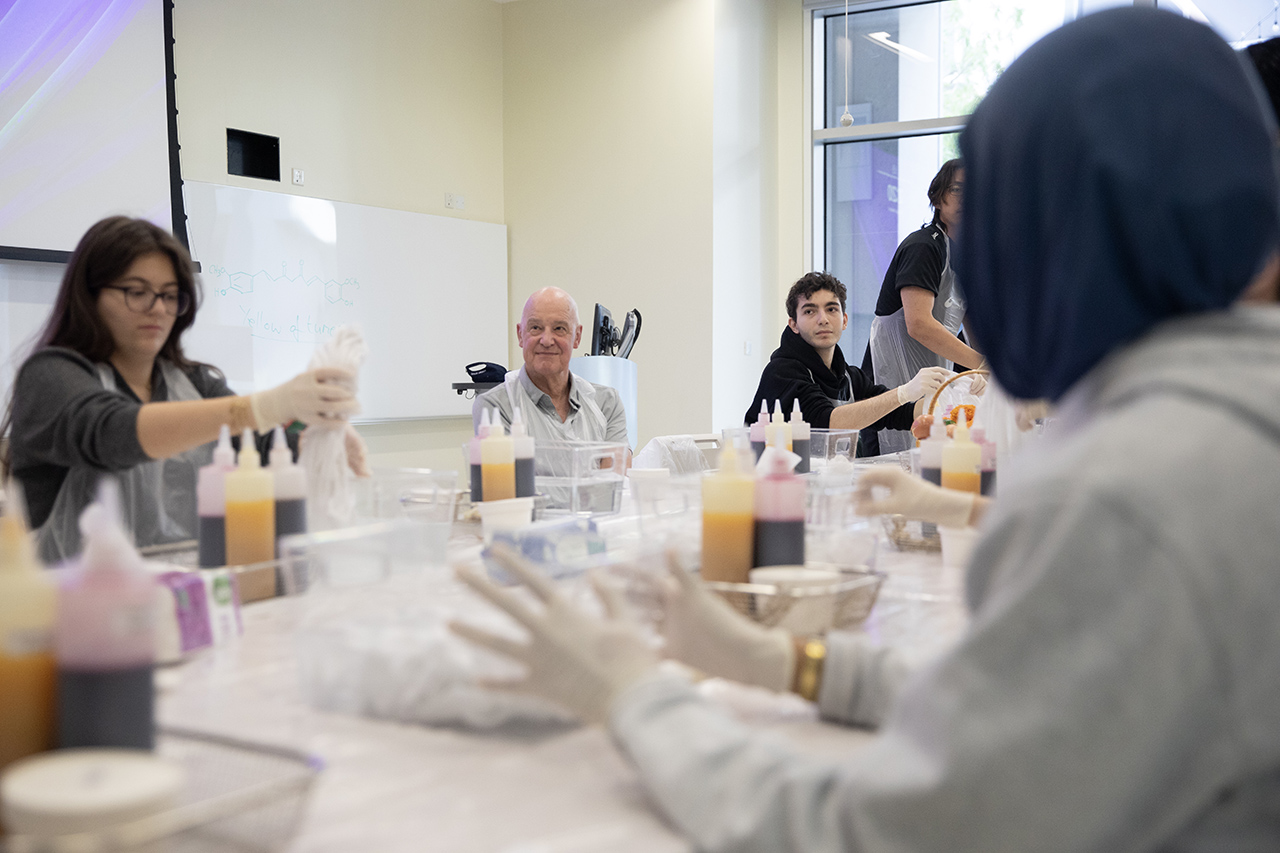
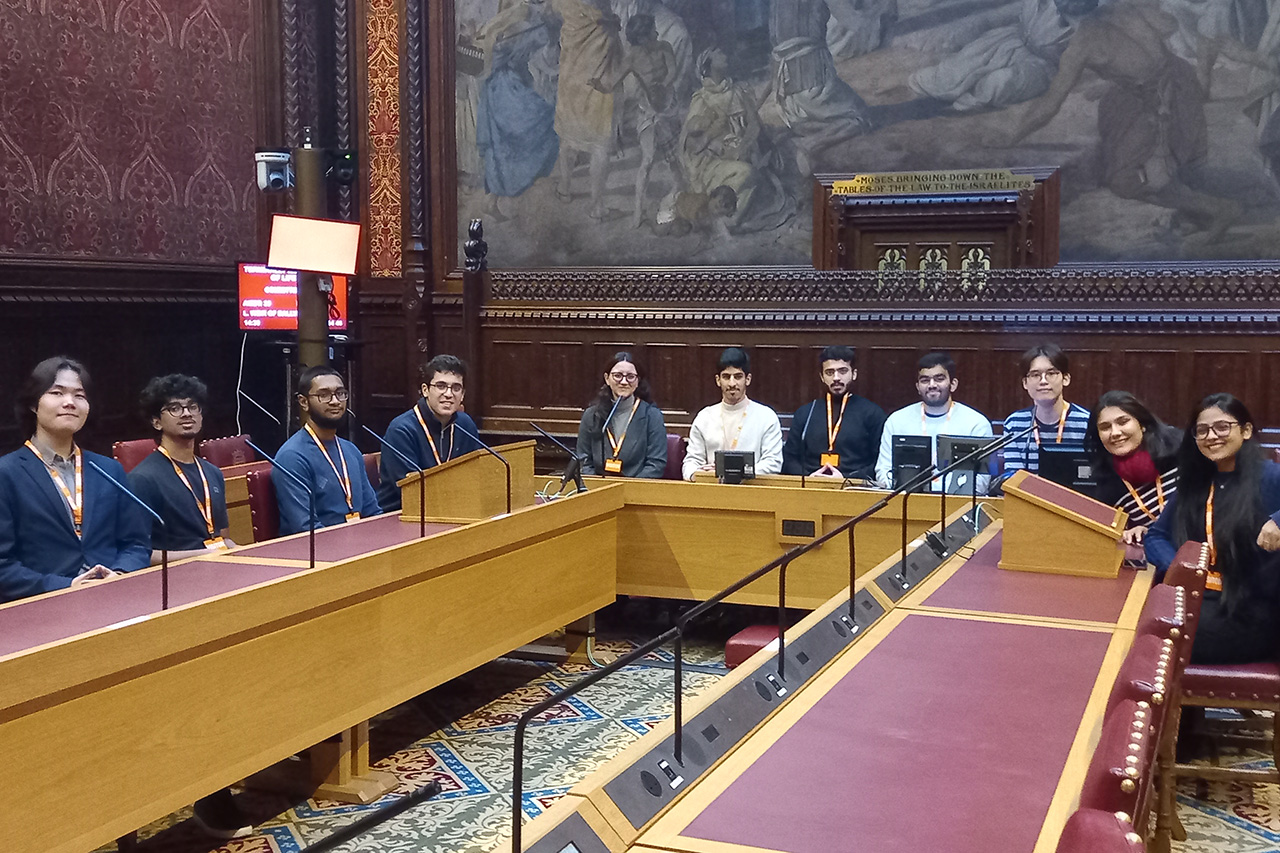
The city of Istanbul was a living syllabus, and its ferries, mosques, alleyways, restaurants, and musicians all contributed to the course in ways no reading could.
This experience taught me that education is deeply connected to culture, society, and opportunity. Studying fairness in university applications while in India allowed me to see how structural factors actually affect access to education. The contrast between what seemed fair in theory and what I observed in practice made me more aware of how inequality shapes people's lives.
This was one of the most impactful courses I’ve taken at NYUAD. It made me think, reflect, and critique so many decisions we make as individuals, as communities, and on a global scale. I’m leaving this course with a deeper awareness as a computer science student, and with a more thoughtful understanding of how I engage with technology and the world around me.