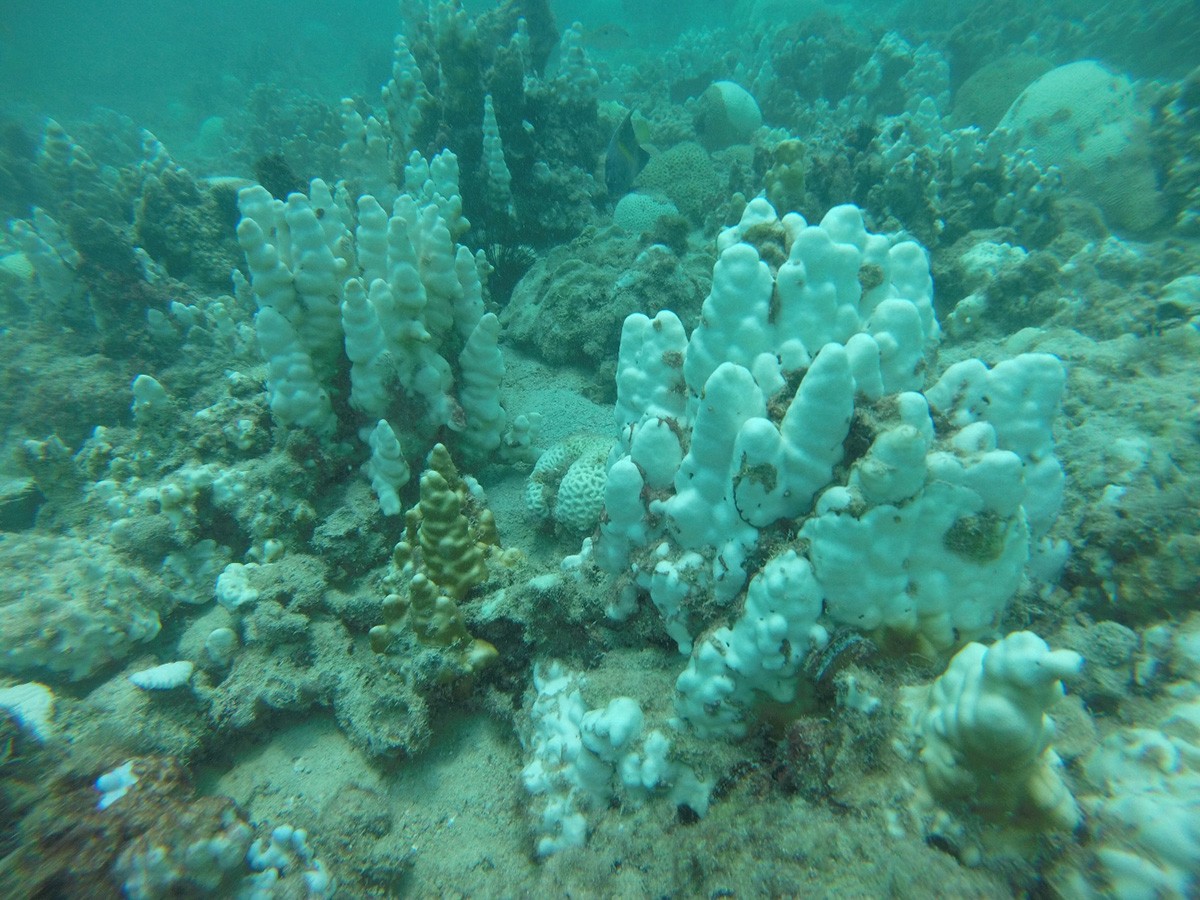
A new study from NYU Abu Dhabi has found that small coral reef fish in the Arabian Gulf are facing a hidden but growing source of stress. When oxygen levels drop at night, a common occurrence on some of the world’s hottest reefs, these fish must use extra energy just to recover the next day. Over time, this additional strain could impact their growth, survival, and the overall balance of reef ecosystems.

The research shows that even short nighttime drops in oxygen force the Gulf blenny, a tiny reef fish, to use about three percent more energy per day. The added energy cost from low oxygen makes life even harder for fish. This work was conducted at NYU Abu Dhabi’s Marine Biology Lab and led by Postdoctoral Associate at NYU Abu Dhabi Daniel Ripley.
To understand how fish respond to these conditions, the researchers recreated real nighttime low-oxygen events in the laboratory. They observed how much the fish moved, how much energy they used and how their bodies reacted at a cellular level. The results showed that the fish reduced their energy use when oxygen levels fell, but once oxygen returned to normal, their bodies worked harder than usual for several hours to recover.

The study also found that during low oxygen the fish activated biological pathways that help them sense and respond to oxygen shortage. However, this response faded quickly once oxygen levels increased. When the researchers compared their findings with real oxygen data from reefs in the Arabian Gulf, they discovered that these stressful low-oxygen events occur on more than half of all summer days.
This research provides new insight into how climate change and warming oceans may affect coral reefs worldwide. Since low-oxygen events are becoming more common on reefs globally, the Arabian Gulf offers a window into how fish may respond in future climate scenarios. The findings can help guide conservation planning and long-term strategies to protect reef ecosystems as environmental pressures continue to increase. “These findings have important implications for the ecology and fisheries associated with coral reefs worldwide”, said John Burt, head of the NYUAD Marine Biology Lab. “The Gulf blenny is representative of all small, cryptic fish that serve as the base of the foodweb on coral reefs worldwide, and Gulf-like conditions are going to become more common on global reefs in the coming decades. We are gaining key insights on a climate change future from our local reefs.”