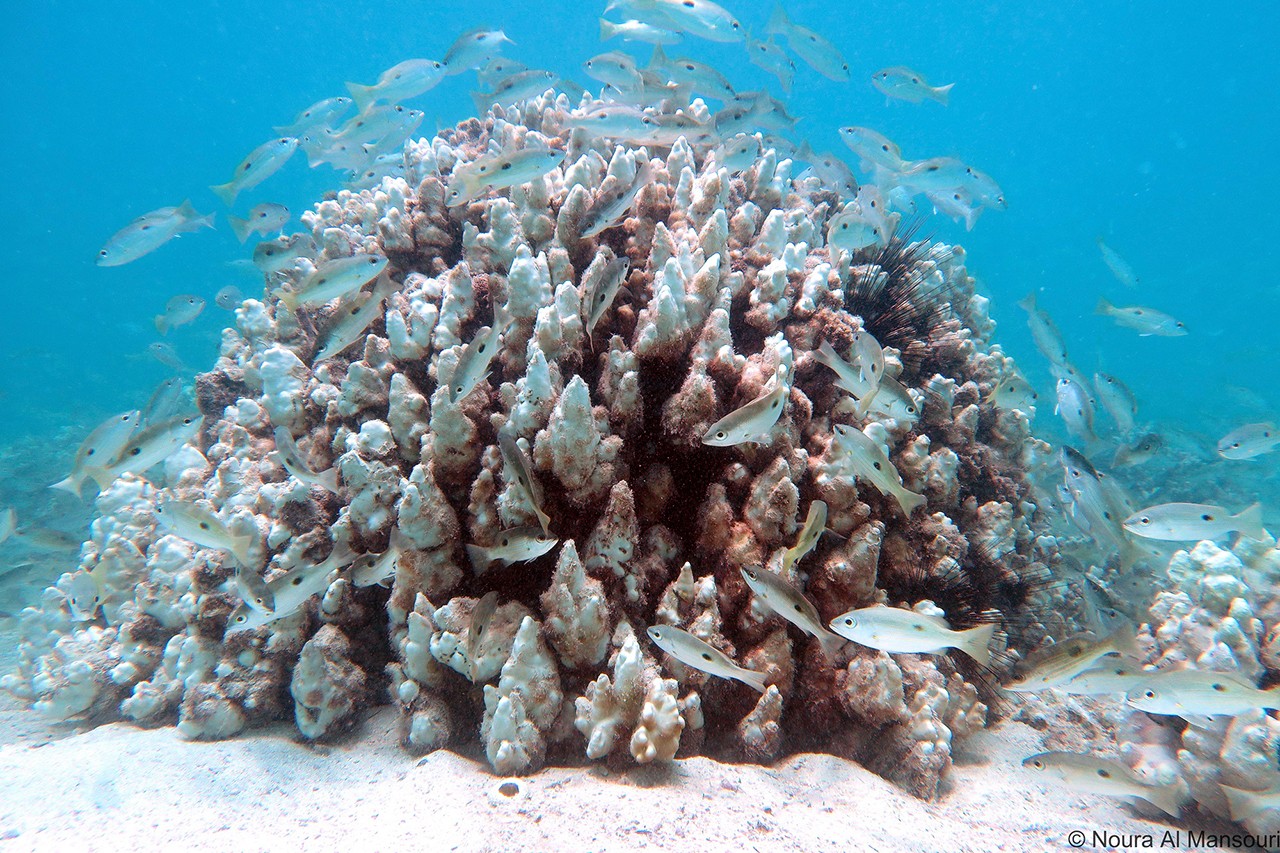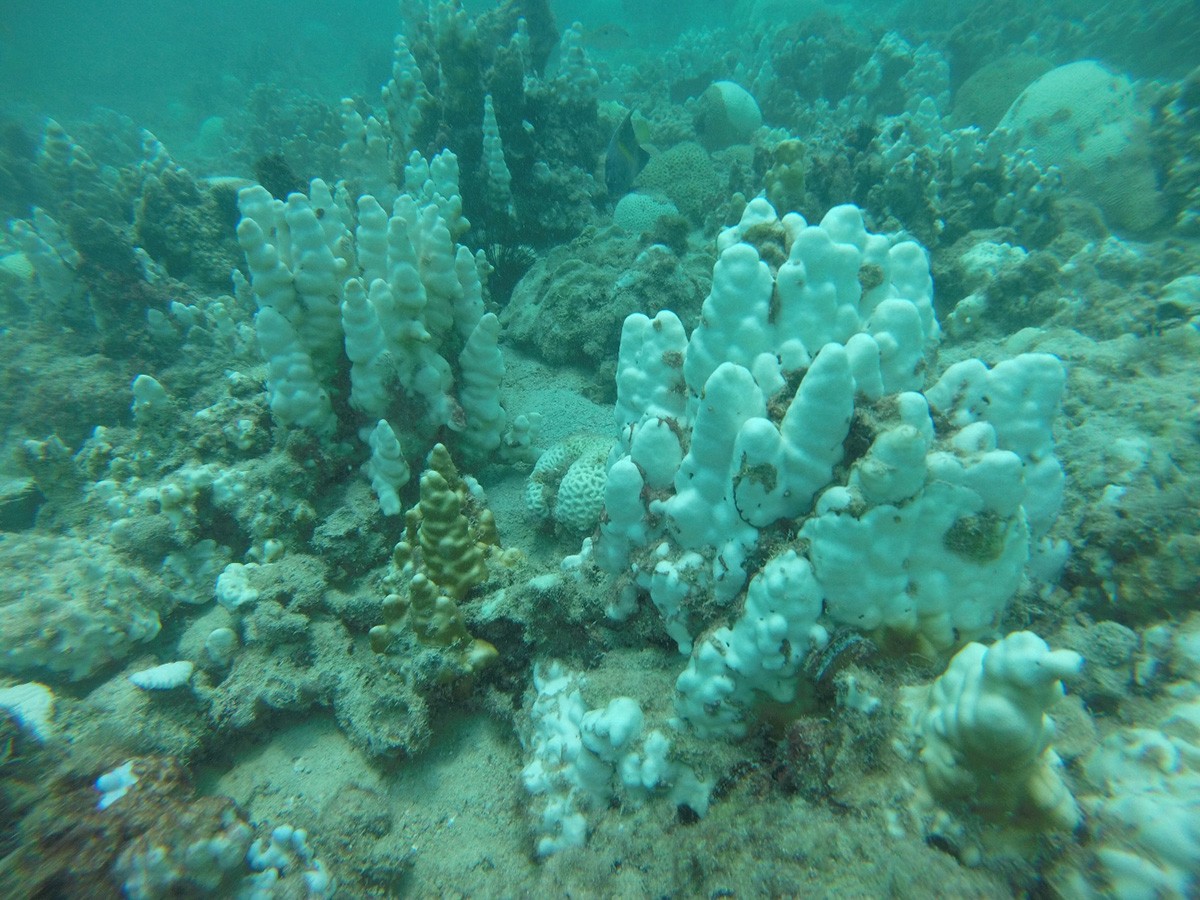

A new study from the Mubadala ACCESS Center at NYU Abu Dhabi reveals why some summers in the Arabian Gulf become unusually hot, creating marine heatwaves that could threaten coral reefs, fisheries, and coastal ecosystems. Understanding these drivers could allow scientists and local authorities to predict extreme summer conditions two to three months in advance, providing valuable time to prepare and protect the region’s marine life.
The Arabian Gulf is the warmest sea on Earth during summer. While local marine species have adapted to naturally high temperatures, unusually warm years can trigger mass coral bleaching and disrupt entire ecosystems. Until now, the reasons behind these extreme temperature events were unclear.

By combining long-term observations with advanced ocean model simulations, the research team found that Gulf marine heatwaves occur when two key wind patterns shift: the local northwesterly Shamal winds weaken and the summer Indian monsoon winds intensify. This combination increases moisture in the Gulf’s atmosphere, trapping heat at the sea surface. These conditions are most likely during La Niña events, when unusually cold waters appear in the tropical Pacific, and when the North Atlantic Oscillation enters a weaker phase, altering storm patterns over the Atlantic. When both climate patterns align, the Gulf experiences its hottest waters.

The study highlights the potential for early-warning systems for marine heatwaves in the Arabian Gulf, helping safeguard biodiversity, fisheries, and coastal communities as climate change intensifies extreme weather patterns.