
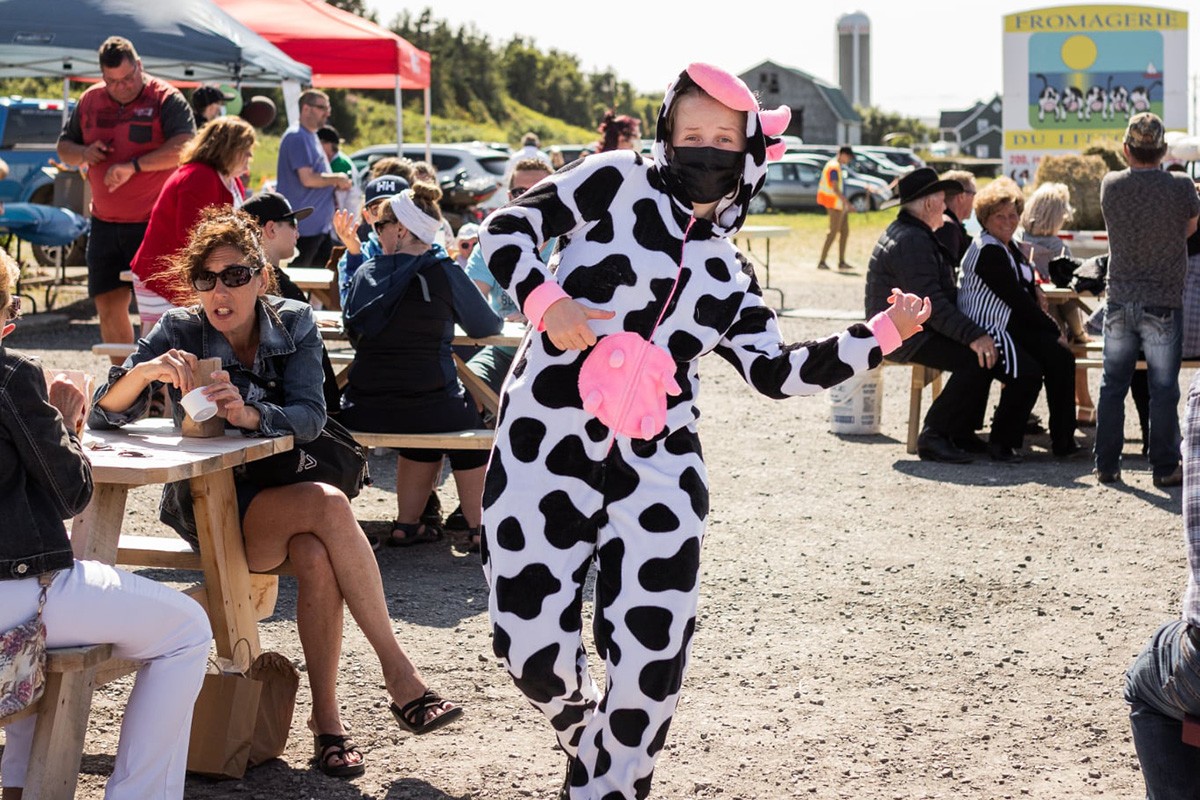
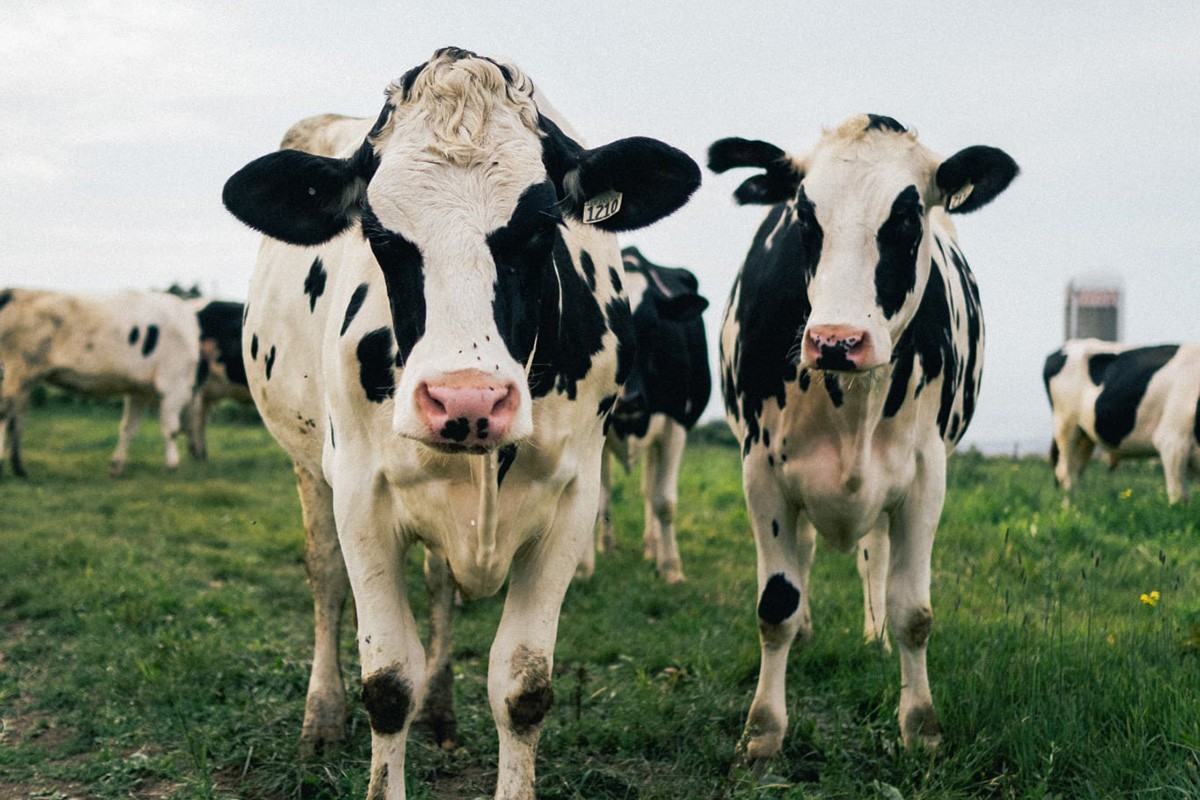
The low chorus of cows echoing across the pastures, the steady hum of tractors at work, and the sharp, familiar scent of cow manure drifting through the cool Quebec air were the comforting signatures of home for Julie Beaulieu growing up.
In return for free lunch in high school, Beaulieu began dishwashing during her cafeteria’s daily lunchtimes. Witnessing the tremendous amount of uneaten food being thrown away, Beaulieu began wondering: how do enough resources exist to feed the whole world? Why do people still go hungry as their neighbors waste, what families like Beaulieu’s, devote their lives to producing? And how is it that farmers like her father remain so vulnerable to climate change, unable to shield their hard-earned crops from the growing threats of droughts and floods?
Exploring greener pastures
At age seventeen, Beaulieu left her family’s fields, and cheesemaking, to explore food security and sustainable agriculture.

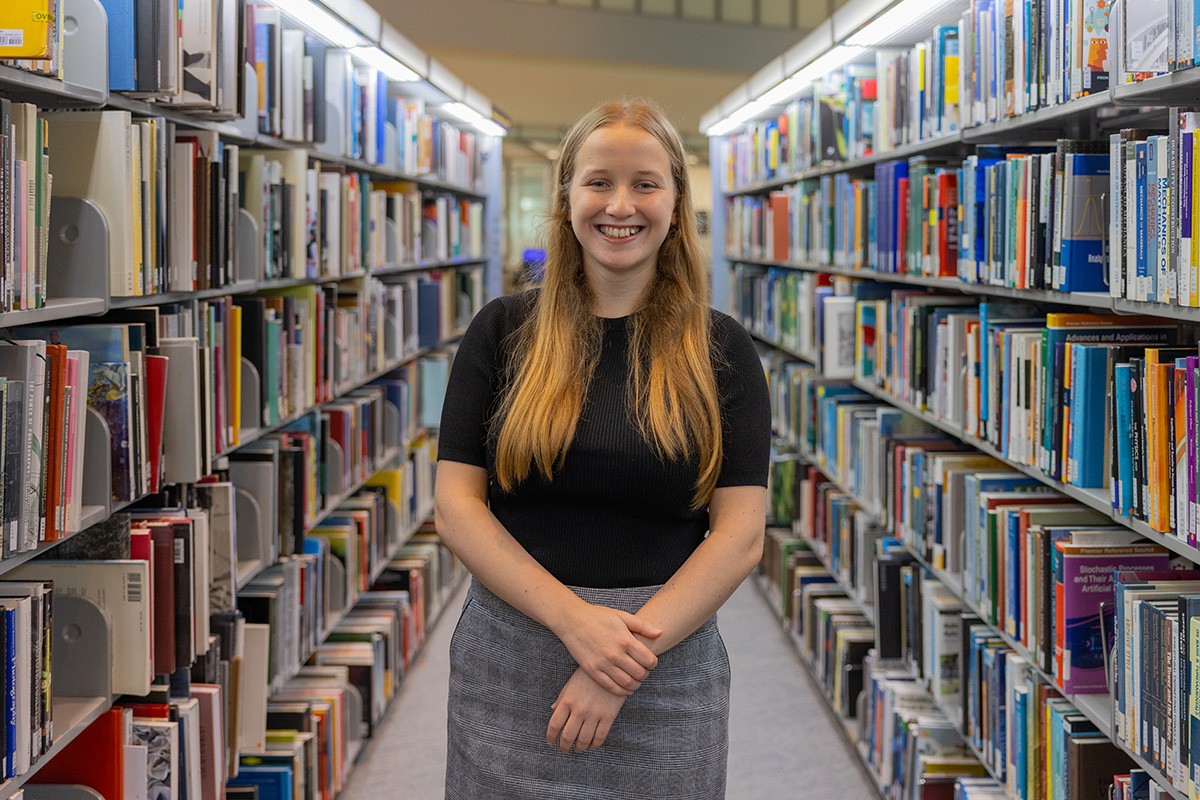
Beaulieu got to work immediately. As a student at a United World College in British Columbia, she restored an old greenhouse and began farming to supply the campus dining hall, led an anti-food-waste initiative, and partnered with a community fridge organization.
When Beaulieu enrolled at NYU Abu Dhabi to pursue her undergraduate studies, her interest deepened in how agri-tech and food security systems operate within a desert climate. She discovered that food security challenges in the region often mirrored those her family faced during Quebec’s harsh winters.
Understanding food security challenges in extreme climates
As a NYUAD undergraduate, Beaulieu spent three months in Uzbekistan, home to one of the world’s most dramatic environmental catastrophes: the desertification of the Aral Sea Basin caused by severe agricultural mismanagement. From the green fields of Fergana Valley to the toxic expanse of Karakalpakstan, Beaulieu met with people whose perspectives pushed her to think outside of the boundaries of her own background.
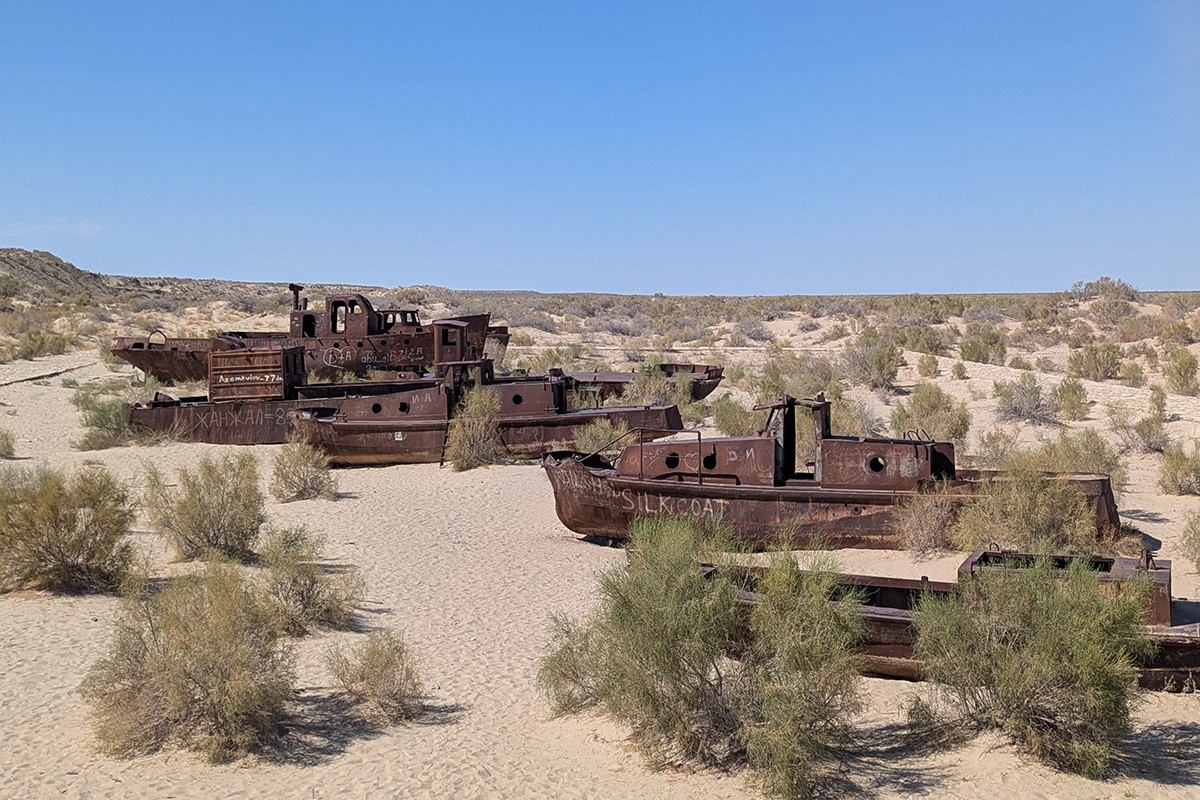
Researching the manmade food production crises only doubled down her devotion to designing and sharing sustainable agricultural production techniques across climates.
Inside the classroom, she deepened her understanding of development and policymaking through courses like Social Change and Development in the Arab World. Her studies introduced her to a devastating dimension of food insecurity: the weaponization of food in conflict zones—an increasingly urgent issue in today’s world.
The importance of immersion
Beaulieu prepares for a global leadership role in food security through interactions and knowledge gained in immersive experiences across the world. By documenting the declining mangrove economy in rural Ghana, bargaining in Afghan markets, working at a cheesemonger in Australia, and volunteering at a buffalo dairy farm in Laos.
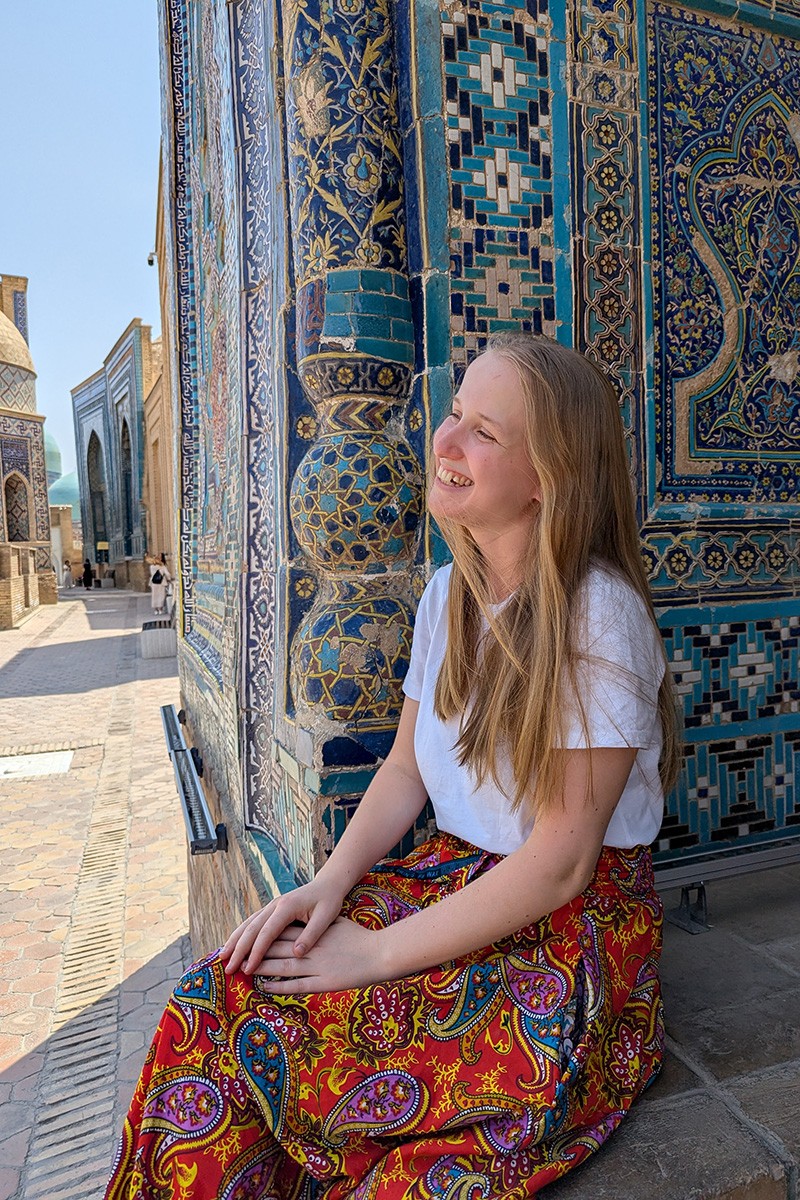
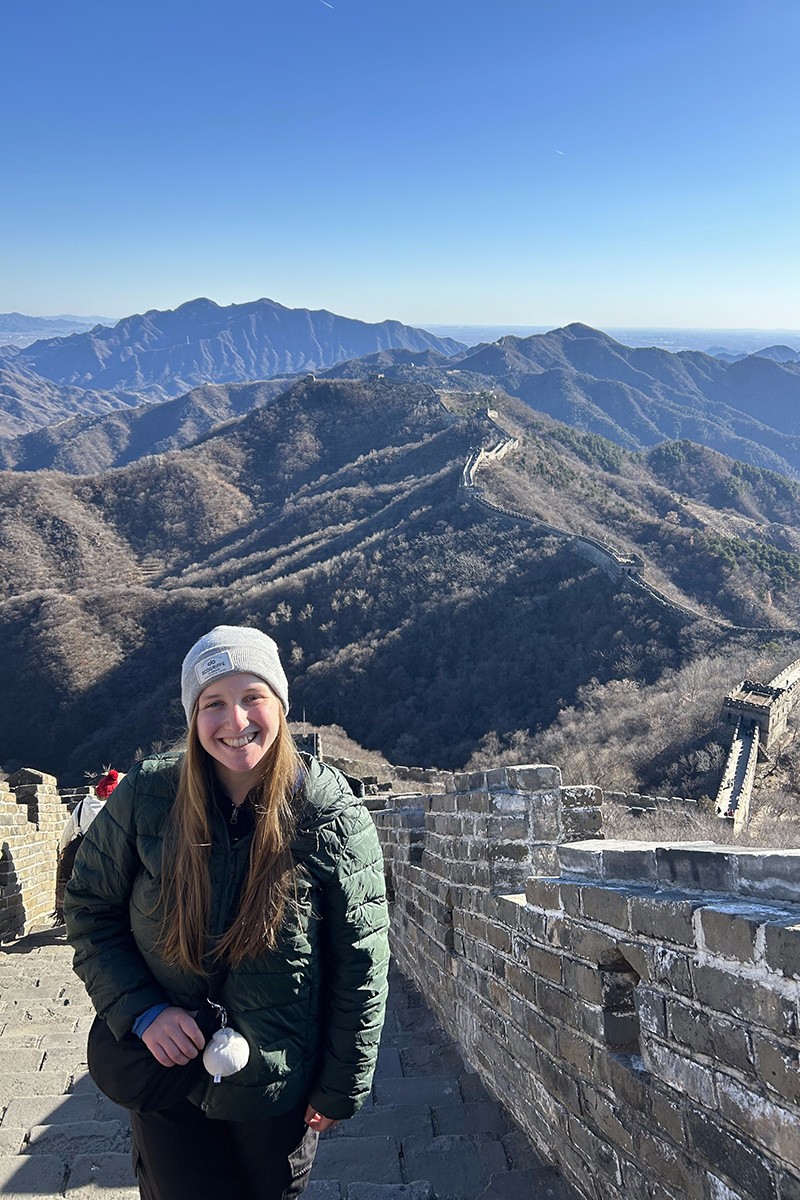
Canadian Rhodes Scholar Recipient
Inspired by Rhodes Scholars before her, such as Dr Madhura Swaminathan, a global food security leader elected to the UN’s Committee for Development Policy, Beaulieu looks forward to joining this network of emerging changemakers to address food security challenges at home and around the world.
As a future high-level advisor with farm girl roots, I commit to designing policies for a world where no child ever has to go hungry again.